
Solidigm Expands SSD Portfolio and Ups the Focus on the AI Data Pipeline

Camberley Bates, Chief Technology Advisor at The Futurum Group, shares insights on Solidigm’s expansion of its SSD portfolio, focusing on the impact of the new D7-PS1010 and D7-PS1030 SSDs on AI data pipelines and energy efficiency, highlighting future industry trends.
Cite this
Analyst(s): Camberley Bates
Publication Date: August 27, 2024
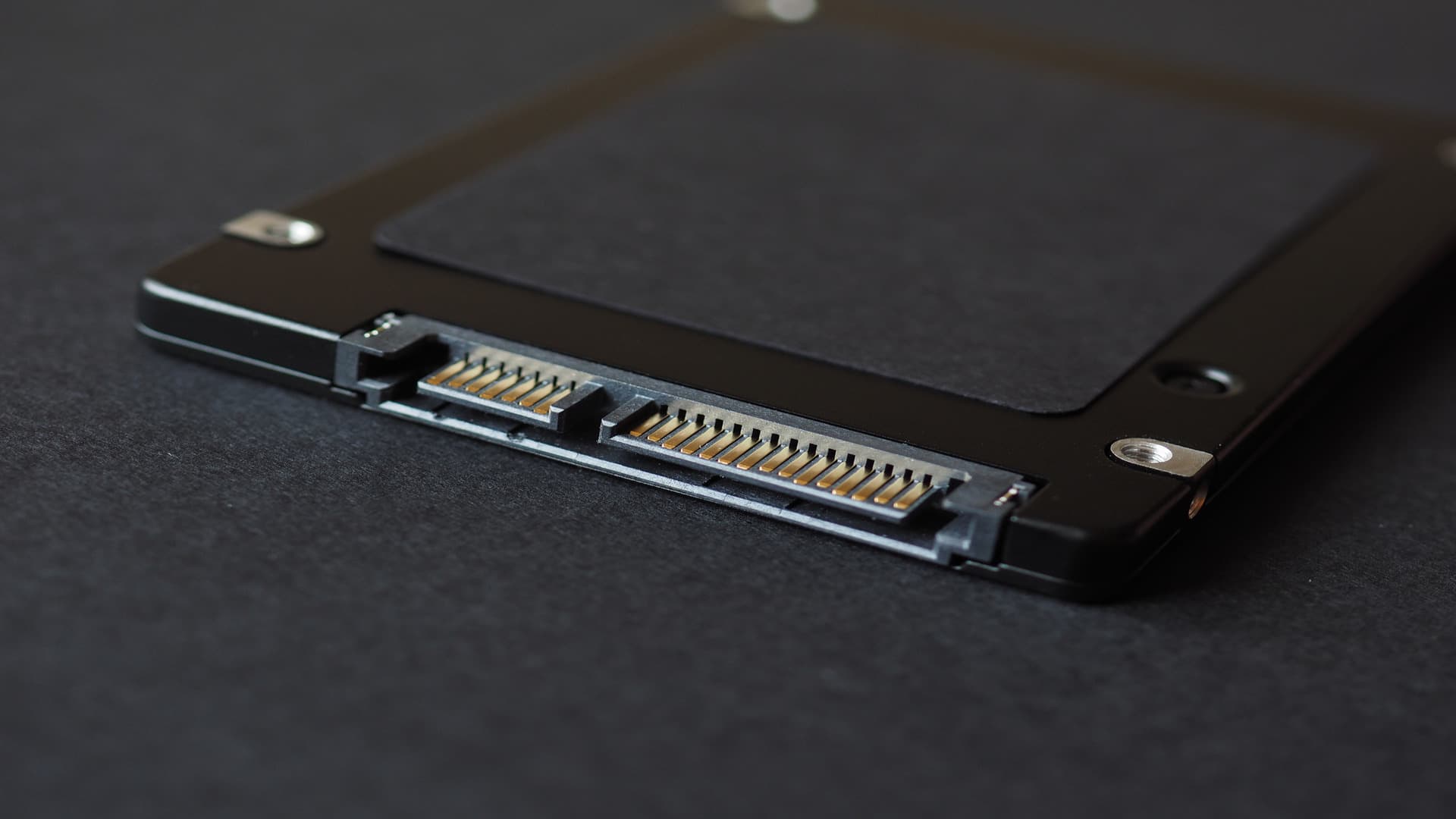
The News: Solidigm introduced two new SSDs—the D7-PS1010 and D7-PS1030—to its D7 product in August. The new SSDs are engineered to accelerate a wide range of workloads, particularly in AI data pipelines, with up to 50% better performance than their predecessors. The new additions are designed to support PCIe 5.0, providing a significant leap in bandwidth and latency reduction, which is crucial for handling massive data sets in AI and enterprise environments.
Solidigm Expands SSD Portfolio and Ups the Focus on the AI Data Pipeline
Analyst Take: Solidigm’s latest expansion of its D7 product line underscores the company’s commitment to staying ahead in the competitive solid state drive market, particularly in sectors driven by AI and high-performance computing. The introduction of the D7-PS1010 and D7-PS1030 marked their entry with PCIe 5.0 technology and gave them another opportunity to highlight their hyperfocus on the enterprise requirements for the AI data pipeline and heavy duty read workloads. The new Solidigm SSDs address these challenges with a big performance boost and energy efficiency.
Solidigm and the AI Data Pipeline
AI workloads are data-intensive, requiring efficient and rapid data processing across various stages, including data ingest, preparation, training, and inference. The D7-PS1010 and D7-PS1030 are specifically designed to optimize the stages where random read/write speeds are critical.
The new SSDs leverage PCIe 5.0 technology, significantly increases data transfer rates and lowers latency, allowing AI models to be trained and deployed more efficiently. These operations require quick access to large amounts of data stored across various locations, and the enhanced Input/Output Operations Per Second (IOPS) performance ensures that data is delivered promptly, reducing training times and improving model accuracy.
Energy Efficiency
One of the standout features Solidigm highlighted with the D7-PS1010 and D7-PS1030 is their energy efficiency. As data centers increasingly focus on sustainability, the ability to reduce energy consumption without compromising performance has become a key differentiator in the storage market. Solidigm claims their new SSDs offer up to 70% better IOPS per watt than other SSDs in this class of offerings.
Energy efficiency is critical in AI applications, where data centers are often pushed to their limits regarding power consumption. This reduction is achieved through several innovations, including advanced power management features that adjust energy use based on workload demands. For instance, the D7-PS1010 and D7-PS1030 use dynamic power scaling, automatically adjusting power consumption during periods of low activity. This reduces energy costs and extends the lifespan of the SSDs by minimizing wear and tear.
Solidigm Embracing the Enterprise
Solidigm used the conference and announcement to gather the press, analysts, and customers and reiterate their constant focus on building enterprise applications running on premises and in the cloud. They took time to introduce us to customers such as Ocient, a relatively new data firm focused on hyperscale data analytics solutions, and emphasize their success with major players such as DDN and VAST Data. All key players in the AI and HPC markets.
We believe this focus will do them well as they continue to release products that are addressing not only the core of enterprise data performance and capacity but also driving efficiency and security into the offerings.
You can read the full press release on Solidigm’s website here.
Disclosure: The Futurum Group is a research and advisory firm that engages or has engaged in research, analysis, and advisory services with many technology companies, including those mentioned in this article. The author does not hold any equity positions with any company mentioned in this article.
Analysis and opinions expressed herein are specific to the analyst individually and data and other information that might have been provided for validation, not those of The Futurum Group as a whole.
Other insights from The Futurum Group:
Solidigm Showcases AI, Sustainability, and Edge Innovations at The Six Five Summit
AMD and Solidigm Power the Open AI Ecosystem – Six Five On the Road
Subscribe to The Weekly
The week's market signals, one email, no filler. Unsubscribe any time.
More from Camberley Bates
Enhancing Cyber-Resilience: A Multi-Layered Approach to Data Infrastructure, Protection, and Security
In our latest market brief, Enhancing Cyber-Resilience: A Multi-Layered Approach to Data Infrastructure, Protection, and Security , The Futurum Group, in partnership with Lenovo, explores how organizations can design resilient systems that reduce downtime, safeguard critical data, and empower lean…
NetApp Ranked #1 in High-End SAN EvaluScale
Camberley Bates, VP & Practice Lead, Data Infrastructure at The Futurum Group shares insights on NetApp’s #1 ranking on the Futurum Group’s SAN High-End Storage EvaluScale Comparison Matrix.
Cloud, Complexity, AI: The Triple Threat Demanding New Cyber Resilience Strategies
In this research report, Cloud, Complexity, AI: The Triple Threat Demanding New Cyber Resilience Strategies , Futurum delves into pain points, technical approaches, and priorities when it comes to cyber-resiliency.